


Exploring the Historical Foundations and Evolution of Panabo City, Davao del Norte
Panabo City, known as the “Banana Capital of the Philippines,” is a vibrant community in Davao del Norte with a rich history and a promising future. From its pre-colonial roots to its status as a thriving hub for agribusiness, Panabo’s journey is a testament to the resilience and adaptability of its people. This article presents a structured analytical framework to delve into the city’s historical evolution, examining key milestones that have shaped its identity.
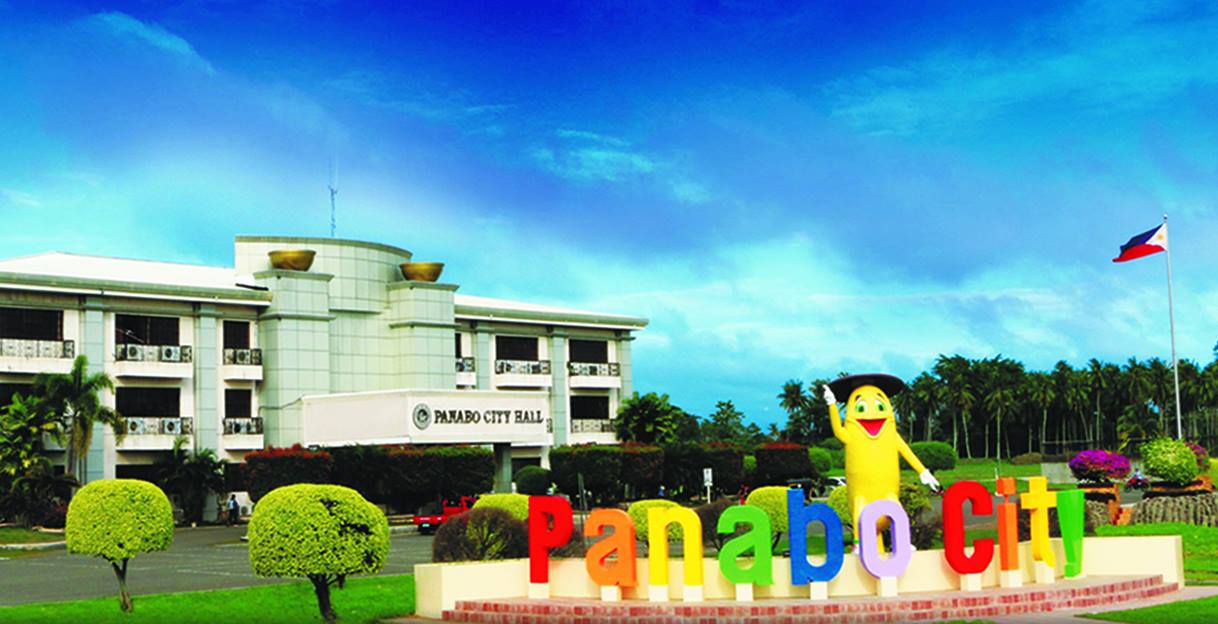
By following a five-question model, we will explore Panabo’s indigenous foundations, colonial transformations, post-war shifts, administrative milestones, and its rise as a global player in the banana industry. This framework not only provides a chronological narrative but also offers thematic insights into how Panabo has navigated centuries of change.
Pre-Colonial Foundations: The Aeta People and Indigenous Context
Before external influences reshaped its landscape, Panabo was home to indigenous groups such as the Aeta people and the Kalagans. These early inhabitants established settlements along rivers and practiced swidden agriculture, a sustainable farming system that allowed them to thrive in the area’s fertile lands. The Aeta people, known for their deep connection to nature, developed trade networks that facilitated exchanges with neighboring communities.
Understanding this pre-colonial context is crucial, as it highlights the adaptive strategies that laid the groundwork for Panabo’s eventual transformation. For example, upland areas still bear traces of indigenous land-use patterns, reflecting the enduring influence of these early settlers. Researchers can explore this aspect further by studying oral histories, archaeological findings, and ethnographic accounts that shed light on Panabo’s indigenous heritage.
Colonial Transformations: Land and Labor Under Foreign Rule
The Spanish colonization of the Philippines brought significant changes to Panabo’s land use and governance. The encomienda system disrupted indigenous land tenure, while Catholic missionaries introduced new belief systems that altered social structures. Later, during the American colonial period, public education and infrastructure development became priorities, laying the groundwork for Panabo’s eventual integration into larger economic systems.
These colonial influences incentivized migration from other parts of the Philippines, particularly the Visayas and Luzon, leading to demographic shifts that reshaped the community. The transition from subsistence farming to export-oriented agriculture began during this period, with cash crops like abaca and coconut emerging as key commodities. Primary sources such as land titles, missionary accounts, and census records provide valuable insights into how colonial policies influenced Panabo’s economic and social landscape.
Post-WWII Demographic and Economic Shifts: The Road to Modernization
The post-World War II era marked a turning point in Panabo’s history. The establishment of road networks connecting Panabo to Davao City facilitated trade and mobility, while government-sponsored resettlement programs under the National Resettlement and Rehabilitation Administration (NARRA) attracted migrants seeking agricultural opportunities. Many of these migrants were Visayans who brought with them new farming techniques and cultural practices.
This influx of people not only expanded Panabo’s population but also diversified its labor force, creating a dynamic environment for economic growth. The city began to transition from a predominantly agrarian economy to one that embraced commercial agriculture. Oral histories, infrastructure maps, and migration statistics are invaluable tools for reconstructing this transformative period in Panabo’s development.
Legal Establishment and Administrative Evolution: From Barrio to Cityhood
Panabo’s journey from being a barrio of Tagum (then known as Magugpo) to becoming an independent municipality in 1949 was a significant milestone. This transition was formalized through Executive Order No. 226, which recognized Panabo as a separate administrative entity. Decades later, in 2001, Panabo achieved cityhood through Republic Act No. 9015.
These legal and administrative changes were not merely symbolic; they reflected Panabo’s growing population, economic potential, and political aspirations. The process of cityhood involved meeting specific demographic and economic criteria, as well as navigating complex political negotiations. Understanding these milestones requires an examination of legal documents, population data, and records of inter-local government dynamics with neighboring Tagum City.
Economic Redefinition: Panabo as the Banana Capital of the Philippines
Today, Panabo is synonymous with bananas—a title it owes largely to the establishment of large-scale agribusiness operations like the Tagum Agricultural Development Company (TADECO). Founded in the mid-20th century, TADECO played a pivotal role in transforming Panabo into a global leader in banana production. The company introduced modern farming techniques, created jobs for thousands of residents, and contributed significantly to the local economy.
However, this agribusiness-led transformation has not been without challenges. Issues such as socioeconomic disparities, environmental degradation, and labor rights have emerged alongside rapid commercialization. Exploring these complexities requires a balanced approach that considers both the benefits and drawbacks of Panabo’s economic redefinition. Researchers can analyze corporate records, environmental impact studies, and community interviews to gain a comprehensive understanding of this phase in Panabo’s history.
Keyword Integration and Research Utility
To facilitate further exploration of Panabo City’s history, this article incorporates three key terms: Aeta people, Banana Capital of the Philippines, and TADECO. These keywords serve as entry points for deeper research into specific aspects of Panabo’s evolution.
For instance:
- The Aeta people offer insights into pre-colonial settlement patterns and indigenous knowledge systems.
- The designation as the Banana Capital of the Philippines underscores Panabo’s central role in the country’s agricultural economy.
- TADECO, as a major player in the banana industry, provides a case study on corporate influence in regional development.
By leveraging these keywords alongside primary sources such as historical documents, oral histories, and statistical data, scholars can construct evidence-based narratives that enrich our understanding of Panabo City.
Conclusion: A Framework for Understanding Panabo's Past and Future
Panabo City’s history is one of resilience and transformation—an inspiring narrative that spans centuries of change. From its pre-colonial roots with the Aeta people to its current status as an agribusiness powerhouse, each phase in its evolution offers valuable lessons about adaptation and growth.
This structured analytical framework not only organizes historical inquiry but also highlights key areas for further research. By focusing on pre-colonial foundations, colonial transformations, post-war shifts, administrative milestones, and economic redefinition, we can gain a holistic understanding of Panabo’s journey.
As Panabo continues to navigate contemporary challenges like urbanization and sustainability, its history serves as both a guide and a reminder of the community’s enduring spirit. What lessons can other emerging cities learn from Panabo’s trajectory? How can its historical insights inform strategies for equitable development? These are questions worth exploring—not just for scholars but for anyone invested in shaping a better future for communities worldwide.
Let us continue to uncover stories like those of Panabo City—stories that remind us that history is not just about the past but also about the possibilities it holds for what lies ahead.

No comments